Horizontal transfer of accessory chromosomes in fungal pathogens

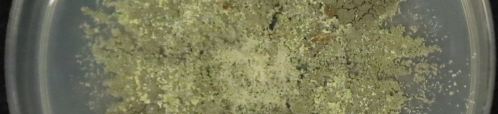
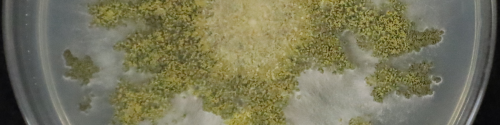
Accessory chromosomes are dispensable, linear eukaryotic chromosomes present in only a subset of individuals within a species. In fungi, they often carry hundreds of transcriptionally active genes and can influence host specificity, virulence, and fitness. In some pathogens, these chromosomes are capable of horizontal transfer within and between species, thereby altering recipient phenotypes such as host range and fitness.
In insect-pathogenic fungi of the genus Metarhizium, we have shown that certain accessory chromosomes are transferred very frequently and with high specificity—even across species boundaries. These mobile chromosomes share a conserved core set of genes that we hypothesize is responsible for their frequent and specific transfer. By encoding the machinery for their own horizontal transfer, these accessory chromosomes are conceptually analogous to conjugative plasmids in bacteria: both are mobile genetic elements that carry the genes required for their own transmission.
Our group’s primary focus is to elucidate the molecular basis of this specific horizontal transfer and to assess its evolutionary significance for fungal adaptability and pathogenicity.
The impact of fungi on the microbiome of animals
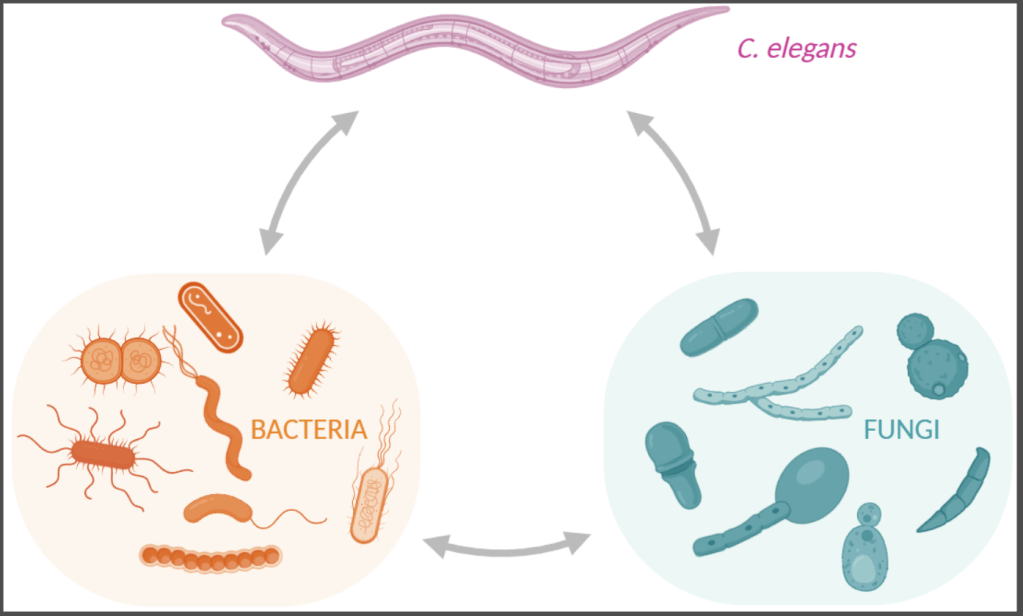
All organisms are associated with microorganisms (i.e. the microbiome) that can influence their physiological processes. The importance of the bacterial component of the microbiome is well established, but the the fungal members of the microbiome are less well understood. We are using the nematode Caenorhabditis elegans, which lives in decaying organic plant matter, as a model to understand the interaction of its associated fungi with the worm, but also with the bacterial members of the microbiome. In particular, we are interested in understanding the genetic components of both the associated fungi and the worm host that shape this interaction. On this topic we are collaborating with Dr. Carola Petersen and Prof. Dr. Hinrich Schulenburg at Kiel University https://evoecogen-kiel.de/.